theinflectionsummit
▲ Senior leaders in the built world
How leaders in the built world are
using technology and human judgment
together to improve real operations.
featuring
Daniel Wigdor
CEO, AXL Venture Studio
Sonny Karunakaran
VP Strategic Projects, Hydro One
Byron House
Senior Director, Future Unit Planning, Bruce Power
Sean Hanlon
CEO, Dillon Consulting


■ Context
Why this conversation matters now
Leaders in the built world are being asked to do more with aging assets, growing backlog, rising expectations, and the loss of experienced people.
Artificial Intelligence is changing what operational teams can do. The challenge isn't whether it's relevant — it's knowing where it fits, what's credible inside real constraints, and how to improve operations without losing human judgment.
The leaders in this session are dealing with the same operating pressures you are. This is not a general technology event. It is a room of peers comparing notes.
This session is designed to stay grounded in real operating conditions, not abstract transformation language.
■ The session
What you'll take
from this session
Hear from peers carrying the same weight
Senior leaders from municipalities, utilities, and infrastructure organizations share how they're approaching technology in real operating environments — not polished case studies.
See what organizations are actually approving
Understand where leaders are starting, what's getting through budget and procurement, and what credible first steps look like inside real constraints.
Watch workflows demonstrated live
Watch an operational workflow built live using AI tools — shaped by problems attendees actually submitted, not a vendor's prepared scenario. You see what's actually possible at operational scale, in real conditions.
Leave with a clearer place to start
Walk away with better judgment about what's relevant to your organization, what a sensible first step looks like, and what your peers are doing that's worth paying attention to.

The challenge isn't whether technology is relevant — it's knowing where it fits inside real constraints.
■ Why this session exists
■ Why this session exists
■ What this is not
Not a
product
event
● Why this session exists
This session exists because the most useful thing leaders can do right now is compare notes — on what's working, what's not getting approved, and what the operating constraints actually look like inside real organizations.
This is not a broad technology
conference or a platform showcase.
It is a focused leadership discussion on improving real operational workflows, among the people responsible for delivering them.

 April 29 • 8:30 to 11:30 AM
A 3-hour session
designed for
senior leaders
 keynote
Opening
Opening Keynote
Why this technology shift is happening now and what it means for operational leaders, budget cycles, and the organizations they run in Canada's public and private sector.
 panel
panelDiscussion
Panel 1: Friction — Risk, Uncertainty and Inaction
What's driving movement across organizations, what's getting approved, and what leaders are actually learning — including what isn't working. A cross-sector conversation grounded in operational reality.
panelDiscussion
Panel 2: Opportunities — What Are We Trying
How leaders across public and private organizations are balancing operational pressure, service expectations, procurement reality, and practical technology adoption — with specifics.
panelDiscussion
Panel 3: Looking Forward: Shared Success and Enabling Technology
Senior leaders on what coordination across public and private organizations actually requires, what they've had to unlearn, and what they're paying attention to now.
 shared async
Examples
Practical Workflow Examples
Short practical examples woven throughout the session to show how leaders are approaching real operational problems inside real constraints.
■ Confirmed and invited panelists
Leaders from organizations across infrastructure, operations, and technology
▲ keynote
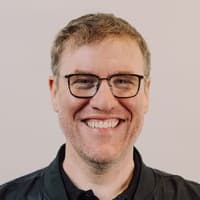
Daniel Wigdor
CEO
AXL Venture Studio / U of T
His lab built the touch and gesture technologies that ended up in over a billion devices. Now he's left Meta's Toronto research centre to co-found AXL Venture Studio — backing AI companies built from world-class research, not hype. He opens the Summit by asking what this technology moment actually demands from operational leaders.
▲ Panelists
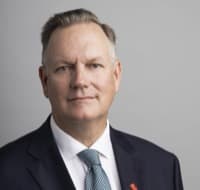
Brent Walker
CEO
Morrison Park Advisors
He built Morrison Park into one of Canada's most respected independent investment banks after 23 years in investment banking, including a Managing Director role at Scotia Capital specializing in power, infrastructure, pipelines, and real estate. He's advised on transactions where the gap between what technology promises and what infrastructure organizations can absorb has cost real money.

Sean Hanlon
President & CEO
Dillon Consulting
He took over as CEO of Dillon in March 2020, bringing more than three decades of experience across environmental management, risk, and complex infrastructure challenges. Earlier in his career, he helped lead Dillon's expansion in Atlantic Canada, opening and growing the Saint John and St. John's offices. At the Summit, he speaks from inside one of Canada's best-known engineering and consulting firms about what leadership looks like when growth, operational complexity, and public impact all collide.
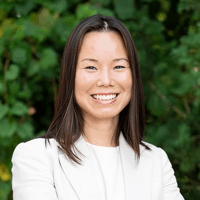
Nhung Nguyen
CEO
Horizon Legacy
Her family has been building in Canada for seven decades. She took over as CEO of Horizon Legacy and immediately started tearing apart the way the company builds — launching Canada's first Construction Automation Lab and leading the country's first neighbourhood built with on-site robotics. She's not talking about what automation could do to construction. She's doing it.
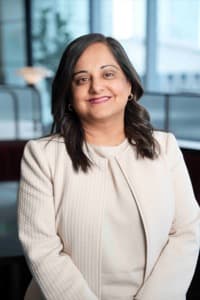
Fera Jeraj
CTO
Canaccord Genuity
She built her career running trading technology at National Bank Financial before spending a decade at BMO Capital Markets — ultimately as CIO of Global Markets Technology, leading a team of 400+. She joined Canaccord Genuity as CTO in 2022. On the Private Sector Panel, she speaks to technology adoption and decision-making inside complex financial infrastructure organizations.
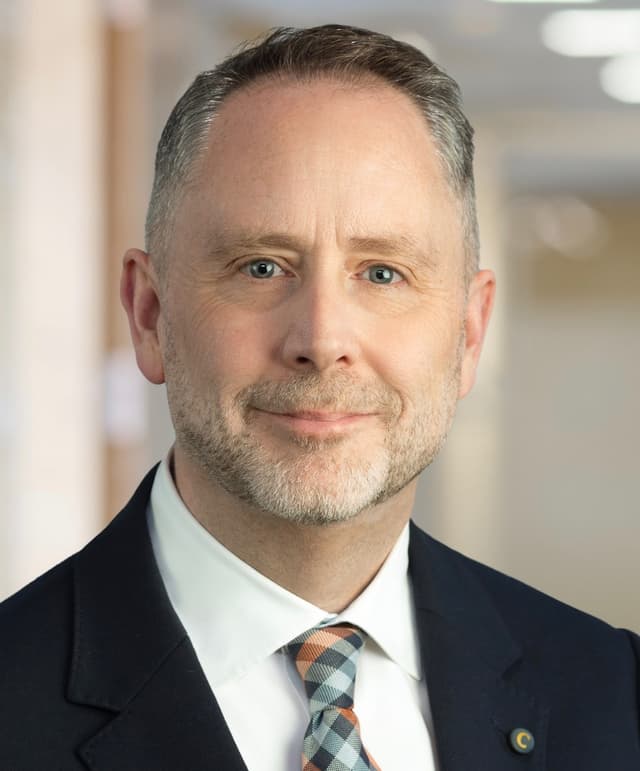
Scott Saundry
CIO
Dentons
At Dentons, the world's largest law firm, Scott leads technology in an environment defined by scale, complexity, and institutional risk. He brings more than 25 years of experience across enterprise systems, operating model change, and digital transformation. In the Enterprise AI discussion, he offers a practical view of AI as a leadership and governance challenge, not just a technology initiative.
Harry Zarek
Founder & CEO
Compugen
He started building computers in his Toronto garage in 1981 while finishing a PhD in Physics at U of T — and never took outside capital. Compugen is now approaching $1B in revenue and serves some of the largest public and private sector infrastructure organizations in the country. He's watched a generation of technology cycles come through built-world organizations, and knows which ones actually stuck.
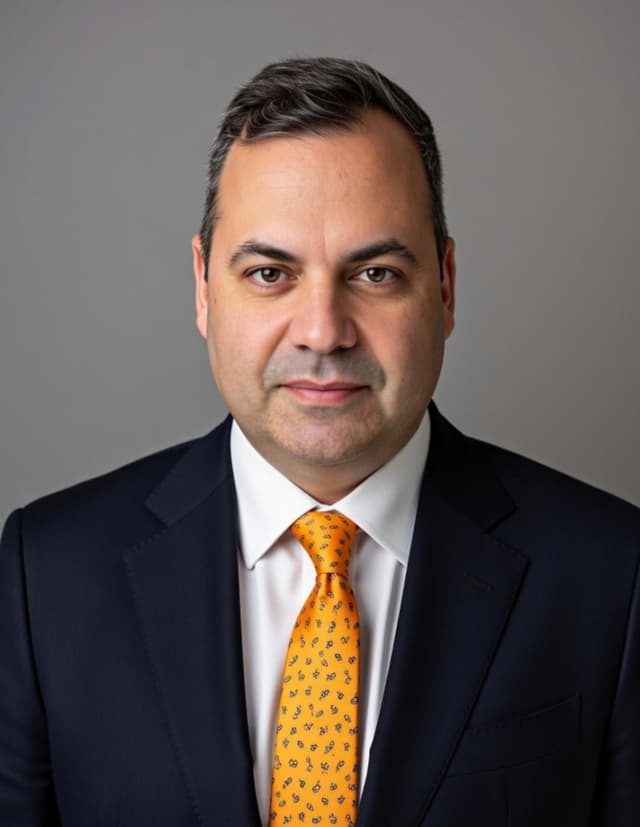
Byron House
Senior Director, Future Unit Planning
Bruce Power
He has spent nearly 30 years in the nuclear industry and now leads future unit planning at Bruce Power, one of North America's largest nuclear generating facilities. His work sits at the intersection of major projects, advanced robotics, and AI-driven modernization, including breakthrough automation in reactor component installation. He speaks to what innovation looks like when the stakes are high, the systems are complex, and execution actually matters.

Jacqueline Lu
CEO & Founder
Helpful Places
She was the inaugural Director of Data Analytics at NYC Parks, then led digital integration at Sidewalk Labs through some of the most contested smart city work in recent memory. She founded Helpful Places to fix the underlying problem — DTPR, an open standard now adopted across 15 municipalities worldwide, so people can actually see what technology is doing in their physical spaces.
Sonny Karunakaran
VP, Strategic Projects
Hydro One
Hydro One serves 1.4 million customers across Ontario and is in the middle of one of the most significant infrastructure modernization programs in the province's history. Sonny leads the strategic projects and partnerships that don't fit neatly into any single department. He's at the Summit because the hardest infrastructure problems require technology and human judgment at the same time.
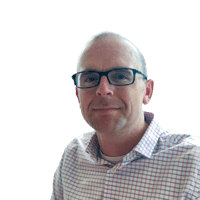
Ian Semple
Commissioner, Transportation & Infrastructure
City of Kingston
He started his career as a control systems engineer at Procter & Gamble before returning to Queen's for a Master of Planning and spending his entire subsequent career at the City of Kingston — from Transit Project Manager to Commissioner of Transportation & Infrastructure in 2025. Kingston isn't Toronto. Every technology decision here gets made with limited resources and full public accountability.
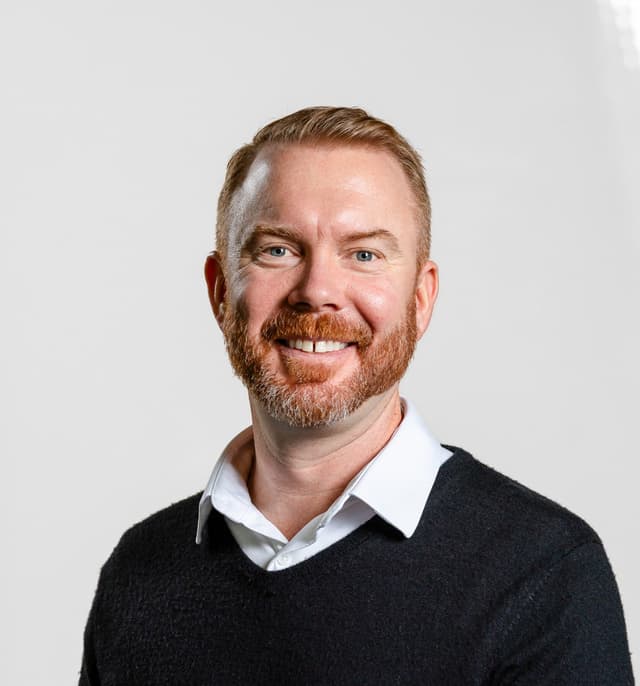
Mike Thomson
Director of Engineering, Sustainability
GFL Environmental
Mike works at the intersection of sustainability and environmental infrastructure at GFL, focusing on organic waste, fugitive emissions, and energy management across landfill operations. With 20 years of engineering experience, he brings an operator's perspective on how environmental performance actually improves inside large, complex systems.
Mitchell Minniti
Vice President, Land Development
Mattamy Homes Canada
At Mattamy, North America's largest privately owned homebuilder, Mitchell leads land development across the Greater Toronto Area. His work connects land strategy, municipal approvals, and project execution to the real pace of housing delivery. He also brings a practical perspective on how modular construction can fit into large-scale residential development, not just as a concept, but as an operating model.
▲ Moderators
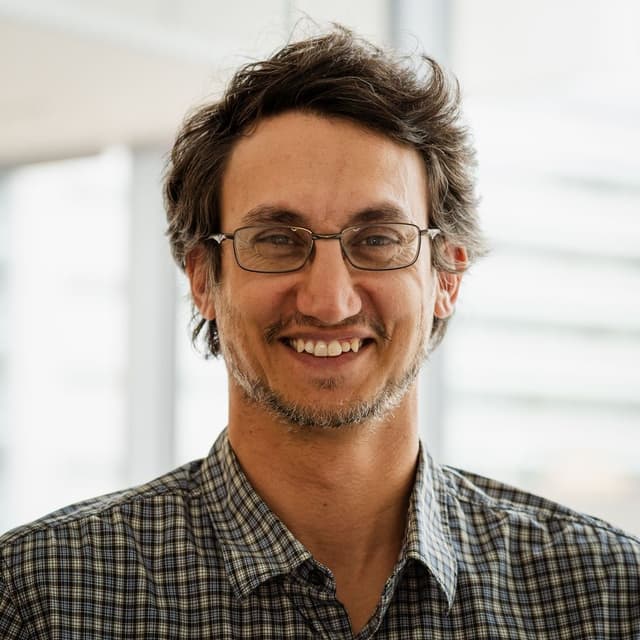
Tovi Grossman
Chief Scientist
AXL / University of Toronto
Tovi is Chief Scientist at AXL and a Professor of Computer Science at the University of Toronto, where he focuses on human-centered AI. He is one of the most widely published and cited researchers in human-computer interaction, with a career spanning both frontier research and real product innovation. He speaks to a question at the center of this moment: not just what AI can do, but how people will actually use it well.
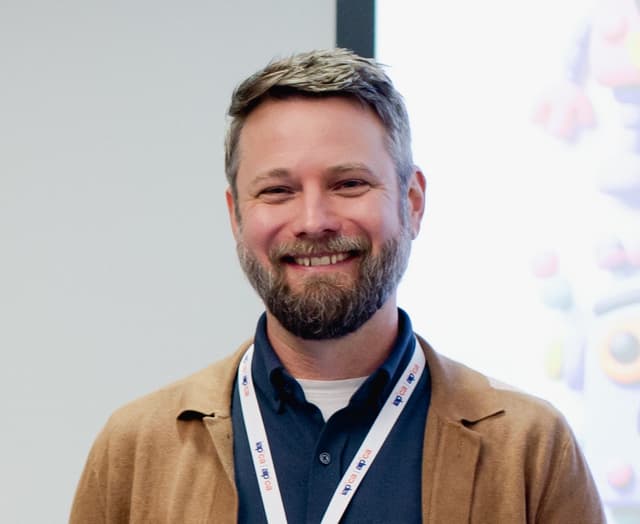
Morgan Boyco
Community Engagement Practitioner
Dillon Consulting
Morgan works with municipalities across Canada to help them involve residents more effectively in local decision-making. Based in Nova Scotia, he brings a planning background grounded in both practice and research, with a focus on public participation, democracy, and digital civic engagement. He speaks to what it takes to make community input more meaningful when public trust, process, and real-world constraints all matter.
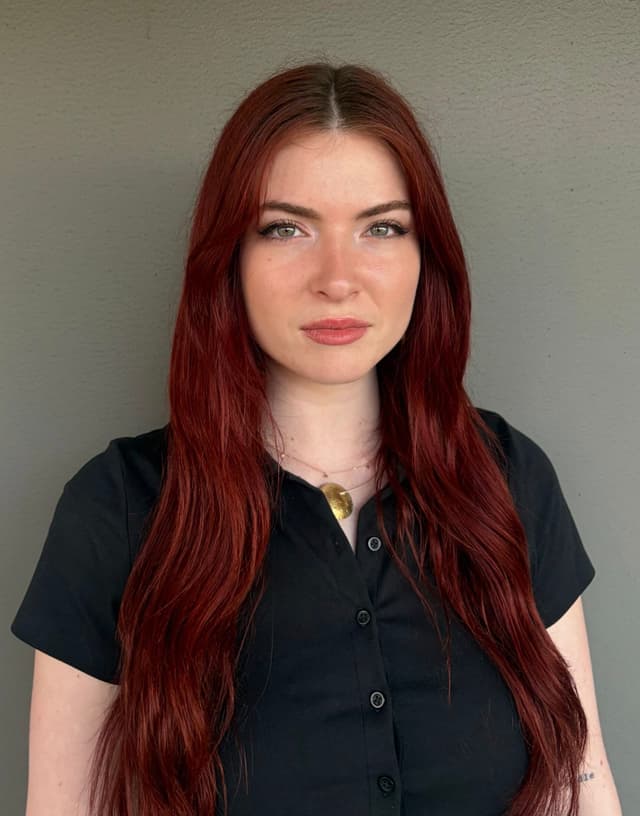
Naama Weingarten
Journalist and Storyteller
CBC Toronto
Naama Weingarten is a broadcast journalist with CBC Toronto whose stories span every corner of the city and beyond. She's especially interested in how policy, business, and innovation shape everyday life, and enjoys helping make complex ideas engaging and accessible.
Additional speakers and panelists to be announced.
■ Participants
Who should
attend
Senior leaders responsible
for operational performance

▲ Best suited if…
You're responsible for improving how an organization operates in the built world — and you want a more credible place to start.
▼ Not the right room if…
You're looking for a broad technology overview or vendor comparison. This session is built around specific operating conditions, not general AI literacy.

■ How it works
Your input
shapes the agenda
Upon registration, participants complete a short structured interview. Your responses shape the discussion around actual operational pressures.
Register
Complete the short registration form.
Designed for senior leaders in asset-heavy organizations.
Complete a brief interview
A short set of structured questions about your operational context.
Takes about 10 minutes.
Join a session shaped around you
Your input feeds directly into the live workflow build and panel discussion structure.
Why we run it this way
Most sessions are built around what the organizers want to say. This one is built around what participants want to talk about — the operating questions that are actually on their desk.
The pre-registration interview isn't a form to screen you — it's how the discussion stays grounded in real operating conditions rather than pre-packaged answers.